:+86 15106109009
:sales@couplingzy.com

 th
th


เหตุใดเทคโนโลยีข้อต่อลดแรงสั่นสะเทือนประสิทธิภาพสูงจึงเป็นกุญแจสำคัญในการยืดอายุการใช้งานของอุปกรณ์อุตสาหกรรมให้สูงสุดและมีเสถียรภาพในการปฏิบัติงาน
ข้อมูลเบื้องต้นเกี่ยวกับข้อต่อแบบยืดหยุ่นทางอุตสาหกรรมที่ทำให้สั่นสะเทือนและหน่วงประสิทธิภาพสูง
ข้อต่อแบบยืดหยุ่นทางอุตสาหกรรมที่ช่วยลดแรงสั่นสะเทือนที่มีประสิทธิภาพสูง เป็นตัวแทนหมวดหมู่ที่สำคัญของส่วนประกอบการส่งกำลังทางกลที่ออกแบบมาเพื่อเชื่อมต่อสองเพลาในขณะที่ดูดซับแรงสั่นสะเทือนไปพร้อมๆ กัน รองรับการวางแนวที่ไม่ตรง และปกป้องอุปกรณ์ที่เชื่อมต่อจากความเสียหายต่อโหลดกระแทก ต่างจากคัปปลิ้งแบบแข็งซึ่งส่งแรงบิดผ่านการเชื่อมต่อโดยตรงและไม่มั่นคง คัปปลิ้งแบบยืดหยุ่นประกอบด้วยองค์ประกอบอีลาสโตเมอร์ สปริงโลหะ หรือโครงสร้างทางวิศวกรรมพิเศษที่ช่วยให้ควบคุมการเคลื่อนที่ระหว่างส่วนประกอบที่เชื่อมต่อได้ ความยืดหยุ่นนี้รองรับวัตถุประสงค์สองประการ ช่วยให้สามารถส่งแรงบิดได้ในขณะที่ลดการสั่นสะเทือนทางกลที่อาจแพร่กระจายผ่านระบบขับเคลื่อน และเร่งการสึกหรอของตลับลูกปืน ซีล และส่วนประกอบที่มีความแม่นยำอื่นๆ
ในสภาพแวดล้อมทางอุตสาหกรรมสมัยใหม่ เครื่องจักรไม่ค่อยทำงานภายใต้สภาวะการจัดตำแหน่งที่สมบูรณ์แบบและปราศจากการสั่นสะเทือน การขยายตัวเนื่องจากความร้อน การตกตะกอนของฐานราก ความทนทานต่อการผลิต และภาระการทำงานแบบไดนามิก ล้วนมีส่วนทำให้เกิดการวางแนวและการสั่นไหวเล็กน้อยแต่ต่อเนื่องภายในอุปกรณ์ที่กำลังหมุน ข้อต่อแบบยืดหยุ่นที่ช่วยลดแรงสั่นสะเทือนที่มีประสิทธิภาพสูงจัดการกับความเป็นจริงเหล่านี้ได้โดยตรง โดยจัดให้มีโซนกันชนที่ดูดซับการรบกวนก่อนที่จะสามารถถ่ายโอนระหว่างเพลาที่เชื่อมต่ออยู่ ความสามารถนี้ทำให้ข้อต่อดังกล่าวเป็นสิ่งที่ขาดไม่ได้ในทุกภาคส่วน รวมถึงการผลิต การผลิตพลังงาน การจัดการวัสดุ และอุตสาหกรรมกระบวนการ ซึ่งความน่าเชื่อถือของอุปกรณ์และเวลาในการทำงานเป็นสิ่งสำคัญยิ่ง
การเน้นที่เพิ่มมากขึ้นในเรื่องประสิทธิภาพการใช้พลังงานและการบำรุงรักษาเชิงคาดการณ์ภายในการดำเนินงานทางอุตสาหกรรมได้ยกระดับความสำคัญของการเลือกเทคโนโลยีข้อต่อที่เหมาะสมมากยิ่งขึ้น คัปปลิ้งที่ทำงานไม่ดีสามารถลดประสิทธิภาพของระบบลงอย่างเงียบๆ เพิ่มการใช้พลังงานจากการสูญเสียจากแรงเสียดทาน และส่งผลให้อุปกรณ์เสียหายก่อนเวลาอันควร ด้วยเหตุนี้ วิศวกรและผู้เชี่ยวชาญด้านการบำรุงรักษาจึงมองว่าการเลือกคัปปลิ้งไม่ใช่เพียงรายละเอียดทางกลเล็กๆ น้อยๆ แต่เป็นการตัดสินใจเชิงกลยุทธ์ที่ส่งผลโดยตรงต่อประสิทธิภาพโดยรวมของระบบและอายุการใช้งานที่ยืนยาว
หลักการทำงานพื้นฐานและกลไกลดแรงสั่นสะเทือน
ความยืดหยุ่นของแรงบิดและการกระจายพลังงาน
ฟังก์ชันหลักของข้อต่อแบบยืดหยุ่นที่ช่วยลดแรงสั่นสะเทือนมุ่งเน้นไปที่ความสามารถในการเปลี่ยนรูปเล็กน้อยภายใต้ภาระแรงบิด ในขณะที่ยังคงส่งกำลังการหมุนระหว่างเพลาที่เชื่อมต่ออยู่ เนื่องจากความผันผวนของแรงบิดเกิดขึ้น ไม่ว่าจะมาจากการสตาร์ทมอเตอร์ชั่วคราว ความแปรผันของโหลด หรือสภาวะเรโซแนนซ์ องค์ประกอบที่ยืดหยุ่นภายในคัปปลิ้งจะดูดซับส่วนหนึ่งของพลังงานนี้ผ่านการเสียรูปที่ได้รับการควบคุม การเสียรูปนี้จะแปลงการวัดพลังงานกลรบกวนให้เป็นความร้อนผ่านการหน่วงวัสดุภายใน ซึ่งช่วยลดความกว้างของการสั่นสะเทือนที่อาจไปถึงเครื่องจักรที่เชื่อมต่อได้อย่างมีประสิทธิภาพ
การชดเชยความเยื้องศูนย์
นอกเหนือจากการดูดซับแรงสั่นสะเทือนอย่างแท้จริงแล้ว ข้อต่อเหล่านี้ยังรองรับการวางแนวของเพลาที่ไม่ตรงสามประเภทหลัก ได้แก่ การวางแนวเชิงมุมที่เส้นกึ่งกลางเพลาตัดกันที่มุม การวางแนวที่ไม่ตรงขนานโดยที่เส้นกึ่งกลางเพลายังคงขนานกันแต่ออฟเซ็ต และการวางแนวที่ไม่ตรงตามแนวแกนที่เพลาเคลื่อนไปทางหรือออกจากกันและกันตามแกนร่วม การออกแบบที่มีประสิทธิภาพสูงได้รับการออกแบบทางวิศวกรรมเพื่อให้ทนต่อการรวมกันของประเภทการวางแนวที่ไม่ตรงเหล่านี้พร้อมกัน ซึ่งมีคุณค่าอย่างยิ่งในการติดตั้งในโลกแห่งความเป็นจริง ซึ่งการจัดตำแหน่งที่สมบูรณ์แบบนั้นหาได้ยากหรือในทางปฏิบัติเชิงเศรษฐศาสตร์เพื่อรักษาไว้ตลอดระยะเวลาการดำเนินงานที่ขยายออกไป
ค่าสัมประสิทธิ์การทำให้หมาด ๆ และฮิสเทรีซิสของวัสดุ
ประสิทธิภาพของการลดแรงสั่นสะเทือนภายในข้อต่อมีความสัมพันธ์อย่างใกล้ชิดกับคุณสมบัติฮิสเทรีซิสของวัสดุองค์ประกอบที่มีความยืดหยุ่น วัสดุที่มีค่าสัมประสิทธิ์การสูญเสียฮิสเทรีซิสสูงกว่าจะกระจายพลังงานการสั่นสะเทือนต่อรอบมากขึ้น ส่งผลให้มีสมรรถนะการหน่วงที่เหนือกว่า วิศวกรหาปริมาณพฤติกรรมนี้ผ่านค่าสัมประสิทธิ์การหน่วงซึ่งอธิบายปริมาณพลังงานที่วัสดุดูดซับโดยสัมพันธ์กับพลังงานที่เก็บไว้ในแต่ละรอบการเปลี่ยนรูป การเลือกวัสดุที่มีคุณสมบัติฮิสเทรีซิสที่เหมาะสมสำหรับความถี่การทำงานและช่วงอุณหภูมิเฉพาะถือเป็นความท้าทายหลักในการเพิ่มประสิทธิภาพการออกแบบข้อต่อ
การเลือกใช้วัสดุเพื่อประสิทธิภาพการหน่วงที่เหมาะสมที่สุด
สารประกอบอีลาสโตเมอร์
วัสดุอีลาสโตเมอร์เป็นแกนหลักของข้อต่อลดแรงสั่นสะเทือนที่มีประสิทธิภาพสูงหลายตัว เนื่องจากความยืดหยุ่นโดยธรรมชาติและคุณลักษณะการดูดซับพลังงาน คอมปาวน์ของยางธรรมชาติมีคุณสมบัติในการหน่วงและความยืดหยุ่นที่ดีเยี่ยม แต่อาจประสบปัญหาประสิทธิภาพลดลงเมื่อสัมผัสกับน้ำมัน เชื้อเพลิง หรืออุณหภูมิที่รุนแรง ทางเลือกสังเคราะห์ เช่น โพลียูรีเทน นีโอพรีน และยางไนไตรล์ได้รับการพัฒนาขึ้นเพื่อจัดการกับข้อจำกัดเหล่านี้ โดยแต่ละทางเลือกมีข้อได้เปรียบที่แตกต่างกันในแง่ของความทนทานต่อสารเคมี ความทนทานต่ออุณหภูมิ และความทนทานในระยะยาวภายใต้สภาวะการโหลดแบบวน
วัสดุคอมโพสิตที่ออกแบบทางวิศวกรรม
วัสดุคอมโพสิตขั้นสูงที่รวมการเสริมแรงด้วยเส้นใยภายในเมทริกซ์โพลีเมอร์ กลายเป็นโซลูชันที่ซับซ้อนสำหรับการใช้งานที่ต้องการทั้งความสามารถในการบิดสูงและคุณลักษณะการหน่วงที่เหนือกว่า คอมโพสิตเหล่านี้สามารถออกแบบให้มีคุณสมบัติด้านความแข็งตามทิศทางได้ ช่วยให้นักออกแบบปรับแต่งลักษณะการทำงานของข้อต่อสำหรับโปรไฟล์โหลดเฉพาะและความถี่การสั่นสะเทือนที่พบในงานอุตสาหกรรมโดยเฉพาะ
ธาตุสปริงเมทัลลิก
การออกแบบข้อต่อประสิทธิภาพสูงบางแบบใช้ส่วนประกอบสปริงโลหะ เช่น จานสปริงหรือตะแกรงโลหะที่มีรูปทรงพิเศษ เพื่อให้เกิดความยืดหยุ่นโดยไม่ต้องอาศัยส่วนประกอบที่เป็นยาง การออกแบบโลหะเหล่านี้มีข้อได้เปรียบในสภาพแวดล้อมที่มีอุณหภูมิสูงซึ่งวัสดุที่ทำจากยางจะสลายตัวอย่างรวดเร็ว และโดยทั่วไปจะมีอายุการใช้งานยาวนานขึ้นภายใต้สภาวะการรับน้ำหนักสูงอย่างต่อเนื่อง แม้ว่าโดยทั่วไปจะมีความสามารถในการหน่วงโดยธรรมชาติค่อนข้างน้อยกว่าเมื่อเปรียบเทียบกับทางเลือกแบบอีลาสโตเมอร์ เว้นแต่จะรวมกับกลไกการทำให้หมาด ๆ เสริม
การกำหนดค่าวัสดุไฮบริด
ข้อต่อประสิทธิภาพสูงร่วมสมัยหลายตัวใช้โครงสร้างแบบไฮบริดที่รวมองค์ประกอบโครงสร้างโลหะเข้ากับเม็ดมีดกันกระแทกแบบอีลาสโตเมอร์ วิธีการนี้ช่วยให้ผู้ผลิตสามารถจับประโยชน์จากความสามารถในการรับน้ำหนักและความทนทานของโครงสร้างโลหะ ในขณะที่ยังคงได้รับคุณลักษณะการดูดซับแรงสั่นสะเทือนที่เหนือกว่าที่เกี่ยวข้องกับวัสดุอีลาสโตเมอร์ ส่งผลให้การออกแบบข้อต่อที่ทำงานได้ดีในสภาวะการทำงานที่หลากหลายมากกว่าทางเลือกวัสดุเดี่ยว
ประเภทข้อต่อหลักและลักษณะการหน่วง
| ประเภทข้อต่อ | กลไกการทำให้หมาด ๆ หลัก | โฟกัสการใช้งานทั่วไป |
|---|---|---|
| ข้อต่อขากรรไกรแบบอีลาสโตเมอร์ | แรงอัดและแรงเฉือนขององค์ประกอบแมงมุมยาง | ไดรฟ์และปั๊มอุตสาหกรรมทั่วไป |
| ข้อต่อประเภทยาง | องค์ประกอบยางรูปยางยืดหยุ่นงอได้ | พัดลมและคอมเพรสเซอร์สำหรับงานหนัก |
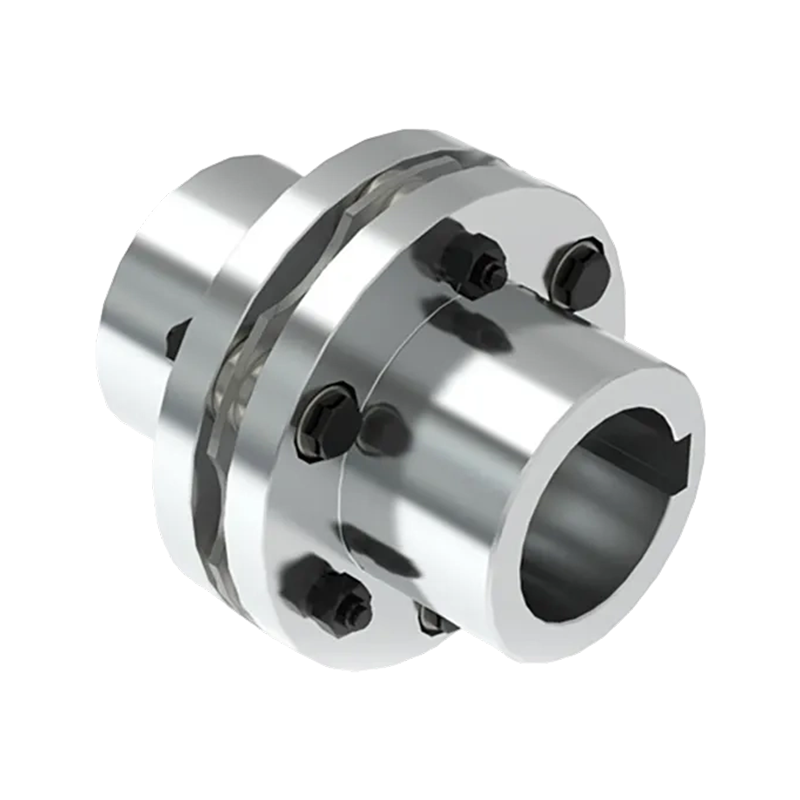
| ข้อต่อดิสก์แพ็ค | แผ่นโลหะบางโค้งงอพร้อมการหน่วงที่จำกัด | การใช้งานที่มีความแม่นยำสูงด้วยความเร็วสูง |
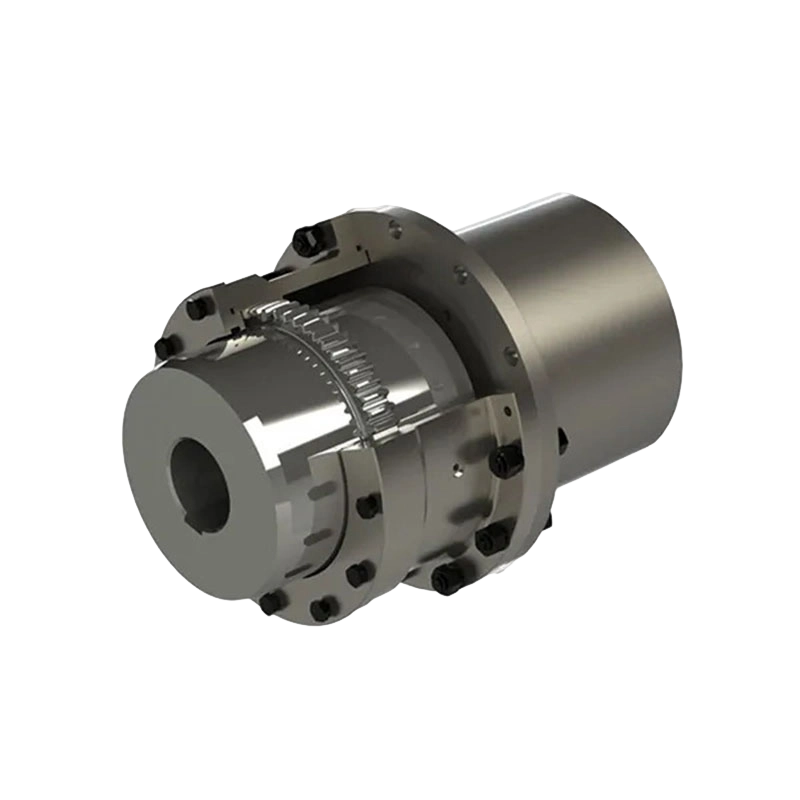
| ข้อต่อกริด | การโก่งตัวของสปริงกริดโลหะภายในตัวเรือนที่มีการหล่อลื่น | เครื่องจักรอุตสาหกรรมหนักและโรงงาน |
| ข้อต่อบูชคอมโพสิต | การบีบอัดบุชชิ่งโพลีเมอร์และการหน่วงแรงเฉือน | อุปกรณ์รับน้ำหนักและแรงกระแทกที่ปรับเปลี่ยนได้ |
ข้อต่อขากรรไกรแบบอีลาสโตเมอร์
ข้อต่อขากรรไกรใช้เม็ดมีดอีลาสโตเมอร์รูปดาวหรือรูปแมงมุมซึ่งวางอยู่ระหว่างดุมสองอันโดยมีขากรรไกรที่เชื่อมต่อกัน การออกแบบนี้ให้การหน่วงการสั่นสะเทือนที่เชื่อถือได้ในขณะเดียวกันก็รองรับการวางแนวที่ไม่ตรงปานกลาง ทำให้เป็นตัวเลือกยอดนิยมสำหรับการใช้งานไดรฟ์อุตสาหกรรมทั่วไป รวมถึงปั๊ม พัดลม และระบบสายพานลำเลียง ซึ่งคำนึงถึงความคุ้มค่าและความง่ายในการบำรุงรักษาเป็นสำคัญ
ข้อต่อประเภทยาง
ข้อต่อประเภทยางมีองค์ประกอบยางต่อเนื่องที่มีรูปร่างคล้ายยางที่เชื่อมต่อฮับข้อต่อทั้งสอง การกำหนดค่านี้ดูดซับแรงสั่นสะเทือนแบบบิดเป็นเลิศ และรองรับระดับความเยื้องศูนย์ที่ค่อนข้างมาก ทำให้เหมาะสำหรับการใช้งานหนักที่เกี่ยวข้องกับพัดลม โบลเวอร์ และคอมเพรสเซอร์ที่ต้องพบกับโหลดกระแทกในการทำงานที่สำคัญ
ข้อต่อดิสก์แพ็ค
ข้อต่อชุดดิสก์ใช้แผ่นโลหะบางที่โค้งงอเล็กน้อยเพื่อรองรับการวางแนวที่ไม่ตรงในขณะที่ส่งแรงบิดโดยมีระยะฟันเฟืองน้อยที่สุด แม้ว่าความสามารถในการหน่วงโดยธรรมชาติของพวกมันมักจะต่ำกว่าการออกแบบแบบอีลาสโตเมอร์ แต่ความแม่นยำและความแข็งของแรงบิดทำให้พวกมันมีประโยชน์ในการใช้งานที่ความเร็วสูง ซึ่งความแม่นยำในการกำหนดตำแหน่งและการบิดตัวของแรงบิดที่น้อยที่สุดเป็นข้อกำหนดด้านประสิทธิภาพที่สำคัญ
ข้อต่อกริด
ข้อต่อกริดใช้โครงสปริงโลหะคดเคี้ยวที่โค้งงอภายในตัวเรือนที่มีการหล่อลื่น ให้การหน่วงปานกลางควบคู่ไปกับความจุแรงบิดและความทนทานสูง ในอดีตข้อต่อเหล่านี้พบว่ามีการใช้งานอย่างกว้างขวางในสภาพแวดล้อมทางอุตสาหกรรมหนัก เช่น โรงถลุงเหล็กและการทำเหมือง ซึ่งความทนทานภายใต้สภาวะการรับน้ำหนักที่รุนแรงมีความสำคัญเป็นอันดับแรก
ข้อต่อบูชคอมโพสิต
ข้อต่อบุชชิ่งแบบคอมโพสิตรวมบูชชิ่งโพลีเมอร์แบบเปลี่ยนได้ที่ให้การลดแรงสั่นสะเทือนอย่างมีนัยสำคัญควบคู่ไปกับการบำรุงรักษาที่ตรงไปตรงมา เนื่องจากโดยทั่วไปสามารถเปลี่ยนบุชชิ่งได้โดยไม่รบกวนการจัดตำแหน่งของเครื่องจักรที่เชื่อมต่อ การออกแบบนี้ได้รับความนิยมในการใช้งานที่ต้องรับแรงกระแทกบ่อยครั้งหรือความต้องการแรงบิดที่แปรผัน
เกณฑ์การประเมินประสิทธิภาพและวิธีการทดสอบ
การวัดความแข็งแบบบิด
วิศวกรประเมินประสิทธิภาพของข้อต่อบางส่วนผ่านการวัดความแข็งแบบบิด ซึ่งระบุปริมาณความสัมพันธ์ระหว่างแรงบิดที่ใช้และการโก่งเชิงมุมที่เกิดขึ้นภายในชิ้นส่วนที่ยืดหยุ่น โดยทั่วไปความแข็งของแรงบิดที่ต่ำกว่ามีความสัมพันธ์กับความสามารถในการแยกการสั่นสะเทือนที่มากขึ้น แม้ว่าความแข็งที่ต่ำมากเกินไปอาจทำให้เกิดปัญหาการสั่นพ้องของแรงบิดที่ไม่พึงประสงค์ภายในการกำหนดค่าระบบขับเคลื่อนบางอย่าง ซึ่งจำเป็นต้องมีความสมดุลอย่างระมัดระวังในระหว่างกระบวนการออกแบบ
การวิเคราะห์อัตราส่วนการหน่วง
การทดสอบอัตราส่วนการทำให้หมาด ๆ เกี่ยวข้องกับการส่งตัวอย่างข้อต่อไปควบคุมอินพุตการสั่นในความถี่ต่างๆ และการวัดการกระจายพลังงานที่เกิดขึ้น ข้อมูลนี้ช่วยให้วิศวกรสามารถสร้างกราฟการตอบสนองความถี่ที่เผยให้เห็นว่าการออกแบบข้อต่อเฉพาะอย่างมีประสิทธิภาพเพียงใดในการระงับการสั่นสะเทือนตลอดช่วงความเร็วในการปฏิบัติงานที่คาดการณ์ไว้สำหรับการใช้งานที่กำหนด ซึ่งช่วยหลีกเลี่ยงสภาวะการสั่นพ้องที่เป็นปัญหาในระหว่างการให้บริการจริง
การทดสอบความเหนื่อยล้าในชีวิต
เนื่องจากข้อต่อลดแรงสั่นสะเทือนประสบกับการโหลดแบบวนอย่างต่อเนื่องตลอดอายุการใช้งาน การทดสอบความล้าภายใต้สภาวะจำลองระยะยาวจึงให้ข้อมูลที่จำเป็นเกี่ยวกับอายุการใช้งานที่คาดหวัง โดยทั่วไปการทดสอบเหล่านี้จะนำตัวอย่างเชื่อมต่อไปยังรอบโหลดหลายล้านรอบภายใต้อุณหภูมิที่ควบคุมและสภาวะโหลด ช่วยให้ผู้ผลิตสามารถคาดการณ์อายุการใช้งานที่เชื่อถือได้และคำแนะนำช่วงการบำรุงรักษาสำหรับผู้ใช้ปลายทาง
การทำโปรไฟล์ประสิทธิภาพอุณหภูมิ
เนื่องจากคุณสมบัติของวัสดุกันสะเทือนจะเปลี่ยนแปลงอย่างมากตามอุณหภูมิ โปรโตคอลการทดสอบที่ครอบคลุมจะประเมินประสิทธิภาพของข้อต่อในช่วงอุณหภูมิการทำงานที่คาดการณ์ไว้สำหรับการใช้งานเป้าหมาย การทดสอบนี้แสดงให้เห็นว่าประสิทธิภาพในการหน่วง ความแข็งเชิงบิด และความทนทานของวัสดุเปลี่ยนแปลงไปอย่างไรภายใต้อุณหภูมิสุดขั้ว ซึ่งเป็นข้อมูลที่พิสูจน์ได้ว่าจำเป็นสำหรับการใช้งานในสภาพแวดล้อมที่มีความร้อน เช่น การติดตั้งกลางแจ้งหรืออุปกรณ์ในกระบวนการที่มีอุณหภูมิสูง
ภาคการใช้งานทางอุตสาหกรรมและกรณีการใช้งาน
การผลิตและเครื่องจักรการผลิต
ภายในสภาพแวดล้อมการผลิต ข้อต่อแบบยืดหยุ่นที่ช่วยลดการสั่นสะเทือนที่มีประสิทธิภาพสูงมีบทบาทสำคัญในการเชื่อมต่อมอเตอร์กับกระปุกเกียร์ สายพานลำเลียง และเครื่องจักรในสายการผลิตต่างๆ การแยกการสั่นสะเทือนที่ข้อต่อเหล่านี้มีให้ช่วยปกป้องอุปกรณ์การผลิตที่มีความละเอียดอ่อนจากการรบกวนของระบบขับเคลื่อน ซึ่งมีส่วนทำให้คุณภาพของผลิตภัณฑ์ดีขึ้น และลดการหยุดทำงานโดยไม่ได้วางแผนทั่วทั้งระบบการผลิตอัตโนมัติ
การผลิตพลังงานและโรงไฟฟ้า
โรงงานผลิตไฟฟ้าอาศัยข้อต่อที่ยืดหยุ่นอย่างมากในการเชื่อมต่อกังหัน เครื่องกำเนิดไฟฟ้า และอุปกรณ์เสริม ซึ่งการบำรุงรักษาการจัดตำแหน่งที่แม่นยำพิสูจน์ได้ว่ามีความท้าทาย เนื่องจากการขยายตัวทางความร้อนและการเปลี่ยนแปลงของโหลดที่เกิดขึ้นในการดำเนินงานของโรงไฟฟ้า ความสามารถในการลดแรงสั่นสะเทือนมีความสำคัญอย่างยิ่งในการตั้งค่าเหล่านี้ เนื่องจากการสั่นสะเทือนที่ไม่สามารถควบคุมได้อาจนำไปสู่ความล้มเหลวของอุปกรณ์ที่เป็นภัยพิบัติ ซึ่งส่งผลร้ายแรงต่อความปลอดภัยและเศรษฐกิจ
การจัดการวัสดุและการประมวลผลจำนวนมาก
ระบบสายพานลำเลียง เครื่องบด และอุปกรณ์ขนถ่ายวัสดุเทกองมักประสบกับสภาวะการโหลดที่ผิดปกติและเสี่ยงต่อแรงกระแทก เนื่องจากวัสดุที่มีขนาดและความหนาแน่นต่างกันจะผ่านอุปกรณ์แปรรูป ข้อต่อแบบยืดหยุ่นพร้อมคุณลักษณะการหน่วงที่แข็งแกร่งช่วยปกป้องส่วนประกอบของระบบขับเคลื่อนจากเหตุการณ์การโหลดที่ไม่สามารถคาดเดาได้ ช่วยยืดอายุอุปกรณ์ และลดความถี่ในการบำรุงรักษาตลอดทั้งการทำเหมือง การประมวลผลแบบรวม และการดำเนินการจัดการทางการเกษตร
การใช้งานทางทะเลและนอกชายฝั่ง
ระบบขับเคลื่อนทางทะเลและอุปกรณ์นอกชายฝั่งเผชิญกับความท้าทายที่ไม่เหมือนใคร รวมถึงการสั่นสะเทือนอย่างต่อเนื่องจากการทำงานของเครื่องยนต์ การสัมผัสกับสภาพแวดล้อมที่รุนแรง และความต้องการประสิทธิภาพที่เชื่อถือได้ภายใต้ตารางการปฏิบัติงานที่มีความต้องการสูง ข้อต่อลดแรงสั่นสะเทือนแบบพิเศษที่ออกแบบมาสำหรับการใช้งานทางทะเลมักจะรวมวัสดุที่ทนต่อการกัดกร่อนควบคู่ไปกับคุณลักษณะการหน่วงที่เพิ่มขึ้นซึ่งเหมาะสมกับความถี่การสั่นสะเทือนเฉพาะที่สร้างโดยเครื่องยนต์ดีเซลทางทะเลและเครื่องจักรขับเคลื่อน
ระบบสูบน้ำและถ่ายเทของไหล
การใช้งานปั๊มในอุตสาหกรรมบำบัดน้ำ การแปรรูปทางเคมี และน้ำมันและก๊าซขึ้นอยู่กับข้อต่อที่ยืดหยุ่นเพื่อรองรับการวางแนวที่ไม่ตรงซึ่งมักเกิดขึ้นระหว่างชุดปั๊มและมอเตอร์ตลอดระยะเวลาการทำงานที่ขยายออกไป ขณะเดียวกันก็ลดการสั่นสะเทือนที่เกี่ยวข้องกับปรากฏการณ์การเต้นเป็นจังหวะของของไหลและการเกิดโพรงอากาศ ซึ่งอาจเร่งการสึกหรอของซีลและแบริ่งได้
เกณฑ์การคัดเลือกสำหรับงานอุตสาหกรรม
ข้อกำหนดแรงบิดและความเร็ว
การเลือกข้อต่อที่มีขนาดเหมาะสมจะเริ่มต้นด้วยการวิเคราะห์ความต้องการแรงบิดและช่วงความเร็วในการทำงานอย่างรอบคอบที่คาดการณ์ไว้สำหรับการใช้งาน วิศวกรต้องคำนึงถึงไม่เพียงแต่สำหรับสภาพการทำงานในสภาวะคงที่เท่านั้น แต่ยังรวมถึงเหตุการณ์แรงบิดสูงสุดที่อาจเกิดขึ้นในระหว่างการสตาร์ท การเปลี่ยนแปลงโหลดกะทันหัน หรือสภาวะความผิดปกติ เพื่อให้มั่นใจว่าข้อต่อที่เลือกจะรักษาระดับความปลอดภัยที่เพียงพอในสถานการณ์การปฏิบัติงานที่คาดการณ์ไว้ทั้งหมด
การประเมินความทนทานต่อการวางแนวที่ไม่ตรง
การประเมินความเยื้องศูนย์ในการติดตั้งที่คาดหวังตามความเป็นจริงจะช่วยกำหนดประเภทข้อต่อที่เหมาะสมและการออกแบบองค์ประกอบที่ยืดหยุ่น การใช้งานที่ไม่สามารถรับประกันการวางแนวที่แม่นยำได้ตลอดอายุการใช้งานของอุปกรณ์ เนื่องจากการตกตะกอนของฐานรากหรือการเติบโตทางความร้อน โดยทั่วไปจะได้รับประโยชน์จากการออกแบบข้อต่อที่ให้ความสามารถในการรองรับการวางแนวที่ไม่ตรงมากขึ้น
เงื่อนไขการดำเนินงานด้านสิ่งแวดล้อม
อุณหภูมิสุดขั้ว การสัมผัสกับสารเคมี ความชื้น หรือการปนเปื้อนของอนุภาค และปัจจัยด้านสิ่งแวดล้อมอื่นๆ มีอิทธิพลอย่างมากต่อการเลือกวัสดุสำหรับองค์ประกอบข้อต่อแบบยืดหยุ่น การใช้งานที่ทำงานในสภาพแวดล้อมที่รุนแรงมักต้องใช้สูตรวัสดุพิเศษหรือการออกแบบตัวเรือนป้องกัน เพื่อรักษาประสิทธิภาพที่เชื่อถือได้ตลอดระยะเวลาการบริการที่คาดไว้
การเข้าถึงการบำรุงรักษาและต้นทุนตลอดอายุการใช้งาน
ข้อควรพิจารณาในทางปฏิบัติเกี่ยวกับการเข้าถึงการบำรุงรักษาและขั้นตอนการเปลี่ยนควรคำนึงถึงการตัดสินใจเลือกข้อต่อ โดยเฉพาะอย่างยิ่งสำหรับการติดตั้งที่การหยุดทำงานของอุปกรณ์มีผลกระทบทางเศรษฐกิจอย่างมาก การออกแบบข้อต่อที่ช่วยให้สามารถเปลี่ยนชิ้นส่วนได้อย่างยืดหยุ่นโดยไม่ต้องถอดแยกชิ้นส่วนอุปกรณ์ที่เชื่อมต่ออยู่อย่างสมบูรณ์ สามารถลดการหยุดทำงานที่เกี่ยวข้องกับการบำรุงรักษาตลอดอายุการใช้งานของอุปกรณ์ได้อย่างมาก
การจับคู่ความถี่การสั่นสะเทือน
การทำความเข้าใจความถี่การสั่นสะเทือนที่โดดเด่นภายในการกำหนดค่าระบบขับเคลื่อนเฉพาะช่วยให้วิศวกรสามารถเลือกการออกแบบข้อต่อที่มีลักษณะการหน่วงที่ปรับให้เหมาะสมสำหรับความถี่เฉพาะเหล่านั้น แบบฝึกหัดการจับคู่ความถี่นี้ช่วยหลีกเลี่ยงสภาวะเรโซแนนซ์ที่ความถี่ธรรมชาติที่เชื่อมต่ออยู่ในแนวที่ไม่เอื้ออำนวยกับแหล่งกำเนิดการสั่นสะเทือนในการปฏิบัติงาน ซึ่งเป็นสถานการณ์ที่สามารถขยายได้อย่างมากแทนที่จะลดการสั่นสะเทือนของระบบ
ข้อพิจารณาด้านประสิทธิภาพพลังงานและการเพิ่มประสิทธิภาพระบบ
ข้อต่อลดแรงสั่นสะเทือนที่มีประสิทธิภาพสูงมีส่วนช่วยเพิ่มประสิทธิภาพการใช้พลังงานของระบบโดยรวมผ่านกลไกที่เชื่อมต่อถึงกันหลายอย่าง ด้วยการลดการส่งผ่านแรงสั่นสะเทือนผ่านส่วนประกอบระบบขับเคลื่อนที่เชื่อมต่อ ข้อต่อเหล่านี้ลดการสูญเสียพลังงานปรสิตที่อาจเกิดขึ้นจากความเค้นเชิงกลและแรงเสียดทานที่ไม่จำเป็นภายในตลับลูกปืน ซีล และส่วนประกอบที่หมุนอื่นๆ การสั่นสะเทือนที่ลดลงยังส่งผลให้มีการปล่อยเสียงรบกวนน้อยลง ซึ่งส่งผลให้สภาพการทำงานดีขึ้น ขณะเดียวกันก็บ่งบอกถึงความเครียดทางกลที่ลดลงภายในระบบที่กว้างขึ้น
นักออกแบบระบบหันมาใช้การเลือกคัปปลิ้งมากขึ้นเรื่อยๆ โดยเป็นส่วนหนึ่งของกลยุทธ์การเพิ่มประสิทธิภาพระบบขับเคลื่อนแบบองค์รวม แทนที่จะมองว่าเป็นการตัดสินใจแยกองค์ประกอบ มุมมองแบบผสมผสานนี้พิจารณาว่าลักษณะการเชื่อมต่อมีปฏิสัมพันธ์กับประสิทธิภาพของมอเตอร์ ประสิทธิภาพของกระปุกเกียร์ และพฤติกรรมไดนามิกของอุปกรณ์ที่เชื่อมต่ออย่างไร เพื่อระบุการกำหนดค่าที่ลดการใช้พลังงานโดยรวม ในขณะเดียวกันก็รักษาการทำงานที่เชื่อถือได้ตลอดช่วงสภาวะการทำงานที่คาดการณ์ไว้ทั้งหมด
เทคโนโลยีการบำรุงรักษาเชิงคาดการณ์ได้เพิ่มคุณค่าที่นำเสนอของข้อต่อประสิทธิภาพสูงโดยทำให้สามารถติดตามลายเซ็นการสั่นสะเทือนได้อย่างต่อเนื่องตลอดการทำงานของอุปกรณ์ เซ็นเซอร์การสั่นสะเทือนที่อยู่ในตำแหน่งใกล้กับการติดตั้งคัปปลิ้งสามารถตรวจจับการเปลี่ยนแปลงเล็กน้อยในรูปแบบการสั่นสะเทือนที่อาจบ่งบอกถึงพัฒนาการที่ไม่ตรงแนว การสึกหรอของแบริ่ง หรือการเสื่อมสภาพของคัปปลิ้ง ช่วยให้ทีมบำรุงรักษาสามารถแก้ไขปัญหาในเชิงรุกก่อนที่จะลุกลามไปสู่ความล้มเหลวของอุปกรณ์ที่สำคัญมากขึ้นหรือการหยุดชะงักของการผลิตโดยไม่ได้วางแผนไว้
แนวทางปฏิบัติที่ดีที่สุดในการติดตั้งและข้อควรพิจารณาในการบำรุงรักษา
ขั้นตอนการจัดตำแหน่งที่เหมาะสม
แม้ว่าข้อต่อแบบยืดหยุ่นจะรองรับการวางแนวที่ไม่ตรงในระดับหนึ่ง แต่ขั้นตอนการติดตั้งควรพยายามเพื่อให้ได้การจัดตำแหน่งที่แม่นยำที่สุดเท่าที่จะเป็นไปได้ เนื่องจากการลดการวางแนวที่ไม่ตรงในตอนแรกจะช่วยยืดอายุการใช้งานของข้อต่อและลดความเครียดที่ไม่จำเป็นในแบริ่งและซีลที่เชื่อมต่ออยู่ เครื่องมือจัดตำแหน่งด้วยเลเซอร์กลายเป็นวิธีปฏิบัติมาตรฐานในการดำเนินการบำรุงรักษาทางอุตสาหกรรมจำนวนมาก โดยมีความแม่นยำมากกว่าวิธีการแสดงสถานะบนหน้าปัดแบบเดิมๆ
การปฏิบัติตามข้อกำหนดแรงบิด
ขั้นตอนการติดตั้งต้องปฏิบัติตามค่าแรงบิดที่ระบุของผู้ผลิตสำหรับการยึดฮาร์ดแวร์อย่างระมัดระวัง เนื่องจากการใช้แรงบิดที่ไม่เหมาะสมอาจทำให้ประสิทธิภาพของข้อต่อลดลงหรือนำไปสู่ความล้มเหลวก่อนเวลาอันควร การขันแน่นมากเกินไปอาจทำให้มีความเข้มข้นของความเค้นที่ไม่ต้องการภายในส่วนประกอบข้อต่อ ในขณะที่การขันแน่นเกินไปอาจทำให้มีการเคลื่อนไหวมากเกินไป ซึ่งจะเร่งการสึกหรอหรือลดความน่าเชื่อถือในการส่งแรงบิด
โปรโตคอลการตรวจสอบเป็นระยะ
การกำหนดตารางการตรวจสอบเป็นประจำจะช่วยระบุปัญหาที่กำลังพัฒนาก่อนที่จะส่งผลให้เกิดการหยุดทำงานของอุปกรณ์โดยไม่ได้วางแผนไว้ การตรวจสอบองค์ประกอบอีลาสโตเมอร์ด้วยสายตาเพื่อดูการแตกร้าว การเสียรูป หรือการเสื่อมสภาพของวัสดุ รวมกับการตรวจสอบการสั่นสะเทือนและการตรวจสอบอุณหภูมิ ให้ข้อมูลเชิงลึกที่ครอบคลุมเกี่ยวกับสภาพข้อต่อตลอดอายุการใช้งาน
การจัดหาองค์ประกอบทดแทน
การดูแลรักษาสินค้าคงคลังที่เหมาะสมขององค์ประกอบทดแทนที่ยืดหยุ่นสำหรับรุ่นข้อต่อที่ติดตั้งโดยเฉพาะจะช่วยลดเวลาหยุดทำงานเมื่อจำเป็นต้องบำรุงรักษาตามกำหนดเวลาหรือไม่ได้กำหนดไว้ การทำงานร่วมกับผู้ผลิตที่มีชื่อเสียงซึ่งรักษาสูตรวัสดุและมาตรฐานคุณภาพที่สม่ำเสมอตลอดการดำเนินการผลิตช่วยให้มั่นใจได้ว่าส่วนประกอบทดแทนจะทำงานได้อย่างสอดคล้องกับการติดตั้งดั้งเดิม
แนวโน้มใหม่และการพัฒนาในอนาคต
การพัฒนาอย่างต่อเนื่องของเทคโนโลยีข้อต่อลดแรงสั่นสะเทือนที่มีประสิทธิภาพสูง สะท้อนถึงแนวโน้มอุตสาหกรรมในวงกว้างในด้านความน่าเชื่อถือที่ดีขึ้น ลดความต้องการในการบำรุงรักษา และความสามารถในการบูรณาการข้อมูลที่ได้รับการปรับปรุง ผู้ผลิตต่างๆ หันมาใช้เทคโนโลยีเซ็นเซอร์แบบฝังโดยตรงภายในชุดข้อต่อมากขึ้นเรื่อยๆ ซึ่งช่วยให้สามารถตรวจสอบสภาพการทำงานได้แบบเรียลไทม์ รวมถึงอุณหภูมิ แอมพลิจูดของการสั่น และความเร็วในการหมุน โดยไม่ต้องติดตั้งอุปกรณ์ตรวจสอบภายนอกแยกต่างหาก
การวิจัยด้านวัสดุศาสตร์ขั้นสูงยังคงให้สูตรยางและคอมโพสิตใหม่ที่นำเสนอคุณลักษณะการหน่วงที่ดีขึ้นในช่วงอุณหภูมิที่กว้างขึ้น ขณะเดียวกันก็รักษาความทนทานและความทนทานต่อสารเคมีที่จำเป็นสำหรับสภาพแวดล้อมทางอุตสาหกรรมที่มีความต้องการสูง นวัตกรรมวัสดุเหล่านี้รับประกันการออกแบบข้อต่อที่สามารถมอบประสิทธิภาพที่เหนือกว่าในการใช้งานที่ก่อนหน้านี้ถือว่าท้าทายเกินไปสำหรับเทคโนโลยีข้อต่อแบบยืดหยุ่นทั่วไป
เครื่องมือจำลองแบบดิจิทัลยังได้เปลี่ยนแปลงการออกแบบข้อต่อและกระบวนการคัดเลือก ช่วยให้วิศวกรจำลองพฤติกรรมของระบบไดนามิกได้อย่างแม่นยำมากขึ้นก่อนที่จะเริ่มสร้างต้นแบบทางกายภาพ ความสามารถนี้ช่วยลดระยะเวลาในการพัฒนาโซลูชันข้อต่อแบบกำหนดเอง ในขณะเดียวกันก็เพิ่มความมั่นใจว่าการออกแบบที่เลือกจะทำงานได้ตามที่ตั้งใจไว้ภายในบริบทการใช้งานเฉพาะ ซึ่งท้ายที่สุดแล้ว มีส่วนทำให้ระบบส่งกำลังทางอุตสาหกรรมเชื่อถือได้และมีประสิทธิภาพมากขึ้นในภาคส่วนต่างๆ ที่หลากหลาย
ข้อต่อแบบยืดหยุ่นทางอุตสาหกรรมที่ช่วยลดแรงสั่นสะเทือนที่มีประสิทธิภาพสูงทำหน้าที่เป็นส่วนประกอบพื้นฐานภายในระบบส่งกำลังเชิงกลที่ทันสมัย ให้การป้องกันที่จำเป็นต่อการเยื้องศูนย์ โหลดแรงกระแทก และการส่งผ่านการสั่นสะเทือนที่อาจส่งผลต่อความน่าเชื่อถือของอุปกรณ์และประสิทธิภาพการดำเนินงาน ด้วยความใส่ใจอย่างรอบคอบในการเลือกใช้วัสดุ การกำหนดค่าการออกแบบ และข้อกำหนดเฉพาะของการใช้งาน ข้อต่อเหล่านี้มอบคุณค่าที่สำคัญให้กับภาคอุตสาหกรรมที่หลากหลาย ตั้งแต่การผลิตและการผลิตพลังงาน ไปจนถึงระบบขับเคลื่อนทางทะเลและระบบการจัดการของเหลว
ในขณะที่การดำเนินงานทางอุตสาหกรรมยังคงให้ความสำคัญกับความน่าเชื่อถือของอุปกรณ์ ประสิทธิภาพการใช้พลังงาน และความสามารถในการบำรุงรักษาแบบคาดการณ์ได้ ความสำคัญเชิงกลยุทธ์ในการเลือกเทคโนโลยีการเชื่อมต่อที่เหมาะสมก็จะยิ่งเพิ่มมากขึ้นเท่านั้น องค์กรที่ลงทุนในกระบวนการเลือกคัปปลิ้งอย่างละเอียด แนวทางปฏิบัติในการติดตั้งที่เหมาะสม และโปรโตคอลการบำรุงรักษาอย่างต่อเนื่องจะวางตำแหน่งตัวเองเพื่อตระหนักถึงประโยชน์ด้านประสิทธิภาพและอายุการใช้งานสูงสุดที่เทคโนโลยีคัปปลิ้งลดแรงสั่นสะเทือนประสิทธิภาพสูงนำเสนอ ซึ่งท้ายที่สุดจะสนับสนุนการดำเนินงานทางอุตสาหกรรมที่เชื่อถือได้และคุ้มต้นทุนมากขึ้นตลอดอายุการใช้งานอุปกรณ์
- ลิงค์ด่วน
- About
- Products
- Our Service
- News & Events
- Contact
- ซีรี่ส์ผลิตภัณฑ์
- ข้อต่อแบบยืดหยุ่นที่มีองค์ประกอบที่ไม่ยืดหยุ่น
- ข้อต่อแบบยืดหยุ่นพร้อมองค์ประกอบยืดหยุ่นของโลหะ
- ข้อต่อแบบยืดหยุ่นที่มีองค์ประกอบยืดหยุ่นที่ไม่ใช่โลหะ
- ข้อต่อด้านความปลอดภัย
- ข้อต่อแข็ง
- ติดต่อเรา
- Tel : +86 511 8572 3800 +86 511 8572 3900
- Mobile : +86 15106109009
- Email : sales@couplingzy.com
- Add:No.1 Zhongye Yingbin Avenue, Gaozi Street, เขตพัฒนาเศรษฐกิจ Dantu, เมืองเจิ้นเจียง, มณฑลเจียงซู, จีน


